
Introduction
Electric vehicles continue to gain popularity in Kenya, but they’re not the perfect solution for every driver. If you regularly travel long distances, don’t have access to reliable home charging or simply want the reassurance of a petrol engine, a hybrid or plug-in hybrid can offer the best of both worlds.
These vehicles combine electric propulsion with an internal combustion engine, helping reduce fuel consumption while eliminating the range anxiety some first-time EV buyers experience.
In this guide, we’ll compare two excellent electrified vehicles available through Seaways and explain the differences between hybrid and plug-in hybrid technology.
Hybrid vs Plug-in Hybrid. What’s the Difference?
Understanding the difference between these technologies is essential before making a purchase.
| Feature | Hybrid (HEV) | Plug-in Hybrid (PHEV) |
|---|---|---|
| Charges from external power | No | Yes |
| Petrol engine | Yes | Yes |
| Electric-only driving | Limited | Yes |
| Battery size | Smaller | Larger |
| Best for | Everyday driving | Mixed city and long-distance travel |
Hybrid (HEV)
A hybrid automatically switches between its petrol engine and electric motor. The battery charges itself through regenerative braking and the engine, so there’s no need to plug it in.
This makes hybrids ideal for buyers who want better fuel economy without changing their refuelling habits.
Plug-in Hybrid (PHEV)
A plug-in hybrid has a much larger battery that can be charged from an external power source. It can travel meaningful distances using electricity alone before automatically switching to its petrol engine.
This allows drivers to complete many daily journeys without using fuel while still having unlimited range for longer trips.
Why Choose a PHEV in Kenya?
A plug-in hybrid is an excellent middle ground between conventional petrol vehicles and fully electric vehicles.
Benefits include:
- Lower fuel consumption
- Reduced emissions
- No range anxiety
- Electric driving for daily commutes
- Petrol engine for longer journeys
- Flexibility when charging isn’t available
For many Kenyan drivers, especially those who frequently travel outside major towns, a PHEV offers the confidence of traditional refuelling with many of the cost savings associated with electric driving.
Our Top Recommendations
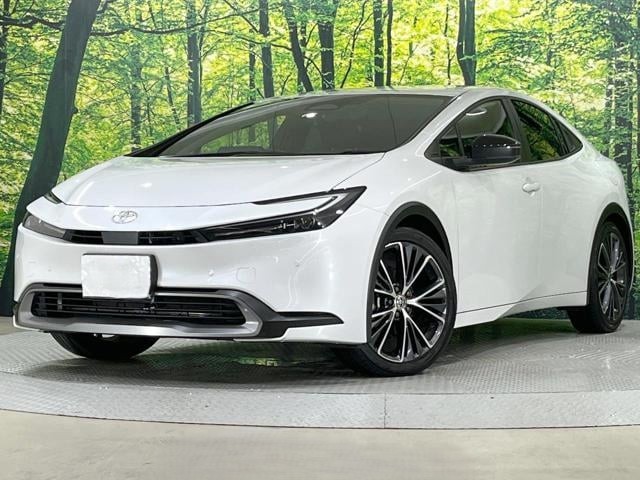
🥇 Toyota Prius Hybrid
Best Hybrid for Everyday Driving
The Toyota Prius has earned a global reputation for reliability and exceptional fuel efficiency. It is an ideal choice for drivers who want to reduce fuel costs without changing how they refuel.
Why We Recommend It
- Proven reliability
- Excellent fuel economy
- No charging required
- Low maintenance costs
- Strong resale value
Best For
- Long-distance drivers
- Ride-hailing operators
- Buyers without home charging
- First-time hybrid owners
Overall Rating: ⭐⭐⭐⭐⭐
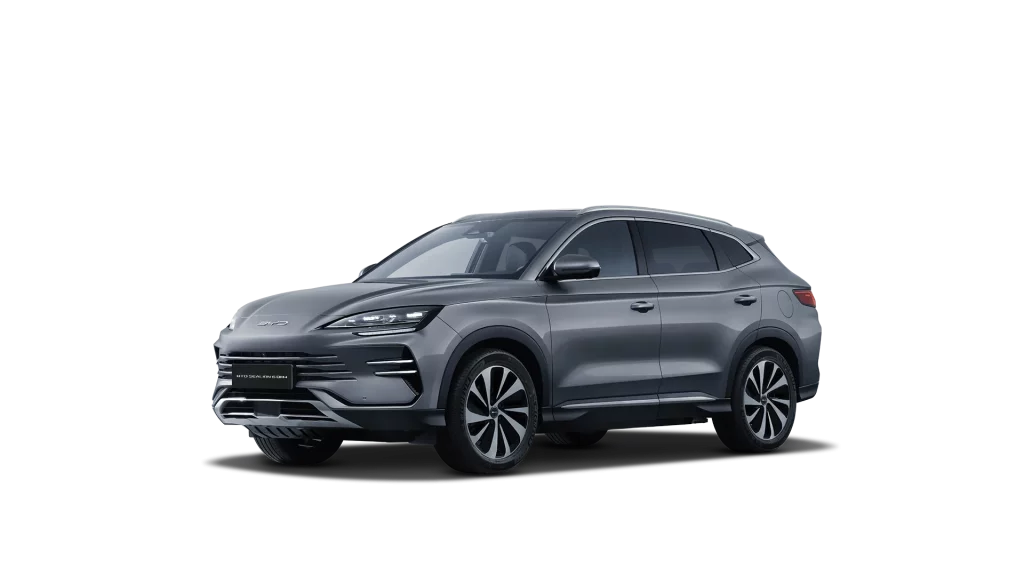
🥇 BYD Sealion 6
Best Plug-in Hybrid SUV
The BYD Sealion 6 combines a spacious SUV design with plug-in hybrid technology. It offers the ability to complete many daily commutes using electric power while retaining a petrol engine for extended journeys.
Why We Recommend It
- Electric-only driving capability
- Flexible long-distance travel
- Spacious family SUV
- Modern safety features
- Comfortable interior
Best For
- Families
- Daily commuters
- Weekend travellers
- Drivers wanting an SUV without committing to a full EV
Overall Rating: ⭐⭐⭐⭐⭐
Which One Should You Choose?
| Buyer Type | Recommended Vehicle |
|---|---|
| Lowest running costs without charging | Toyota Prius Hybrid |
| Daily commuting with occasional long trips | BYD Sealion 6 |
| Frequent highway travel | Toyota Prius Hybrid |
| Family SUV | BYD Sealion 6 |
| First electrified vehicle | Toyota Prius Hybrid |
Should You Buy a Hybrid, PHEV or EV?
The right choice depends on your driving habits.
Choose a Hybrid (HEV) if you:
- Don’t have access to home charging.
- Drive long distances regularly.
- Want lower fuel consumption with no change to your routine.
Choose a Plug-in Hybrid (PHEV) if you:
- Can charge at home or work.
- Mostly drive within the city.
- Occasionally travel long distances.
- Want to experience electric driving without worrying about charging availability.
Choose a Battery Electric Vehicle (BEV) if you:
- Have reliable access to charging.
- Mostly drive in urban areas.
- Want the lowest running and maintenance costs.
For a deeper comparison, read our Electric vs Hybrid vs Plug-in Hybrid guide.
Frequently Asked Questions
What is the difference between a hybrid and a plug-in hybrid?
A hybrid charges its battery automatically while driving and cannot be plugged in. A plug-in hybrid has a larger battery that can be charged externally, allowing it to drive on electricity alone for longer distances.
Does the Toyota Prius need charging?
No. The Toyota Prius Hybrid charges its battery automatically using regenerative braking and its petrol engine.
Does the BYD Sealion 6 need charging?
Charging is recommended to maximise electric driving and reduce fuel consumption, but the vehicle can continue operating using its petrol engine when the battery is depleted.
Which is better for long-distance driving?
Both are suitable, but hybrids and plug-in hybrids offer the convenience of quick refuelling at conventional fuel stations, making them particularly practical for extended journeys.
Is a PHEV cheaper to run than a petrol vehicle?
For many drivers, yes. Regular charging and short daily trips can significantly reduce fuel consumption compared with a conventional petrol vehicle.
How We Selected These Vehicles
Our recommendations are based on practical ownership factors that matter to Kenyan drivers and import buyers.
Purchase Price
Overall landed cost including sourcing, shipping, import duty and clearance.
Driving Range
Real-world usability for daily commuting and long-distance travel.
Charging Convenience
Compatibility with available charging options and home charging practicality.
Long-Term Ownership
Reliability, battery reputation, maintenance requirements and overall value.
Vehicles Featured In This Guide
These vehicles are recommended by our specialists for this buying guide.
Need Help Choosing The Right Vehicle?
Our catalogue showcases only a selection of the electric and hybrid vehicles we can source through our trusted supplier network. If your preferred model isn't currently listed, our team can source it from Japan, the UK, Singapore and other international markets while advising you on the best available alternatives.
Request Free Consultation →Related Buying Guides
If you're still comparing your options, these guides may help
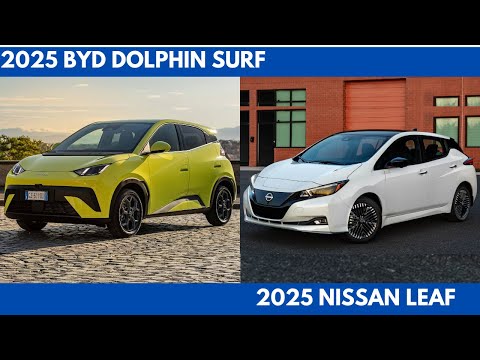
Nissan Leaf vs BYD Dolphin: Which EV Should You Buy in Kenya?
The Nissan Leaf and BYD Dolphin are among Kenya's most popular electric cars. Compare their prices, range, technology, charging, safety and ownership costs before making your decision.
Read Guide →
Best EV for Nairobi Traffic
Compare the best electric vehicles for Nairobi traffic, including the Nissan Leaf, BYD Dolphin, Volkswagen ID.3, Hyundai IONIQ 5, Volkswagen e-Golf and BYD Atto 3. Discover which EV is best for your daily commute in Kenya.
Read Guide →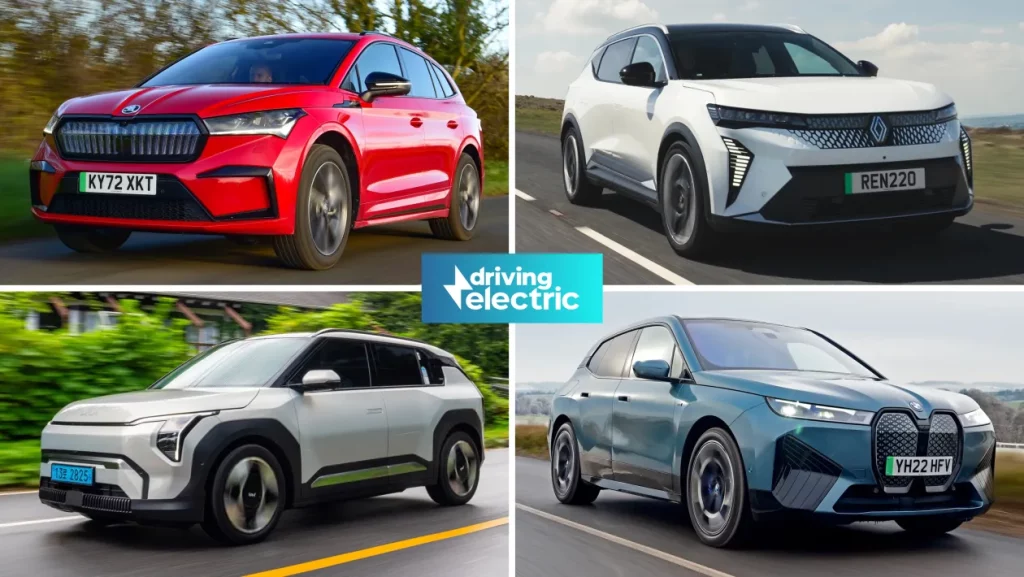
Best Electric SUV for Family Use in Kenya
Looking for the perfect family electric SUV? Compare Kenya's best EV SUVs by safety, driving range, charging, practicality, ownership costs and family-friendly features to find the ideal vehicle for your lifestyle.
Read Guide →