

Suzuki Alto in Kenya: Why This Tiny Car Is Becoming a Serious Personal Car Choice
For a long time in Kenya, buying a car was about more than getting from Point A to Point B.
The bigger the engine, the bigger the car and, sometimes, the bigger the status.
But that thinking appears to be changing.
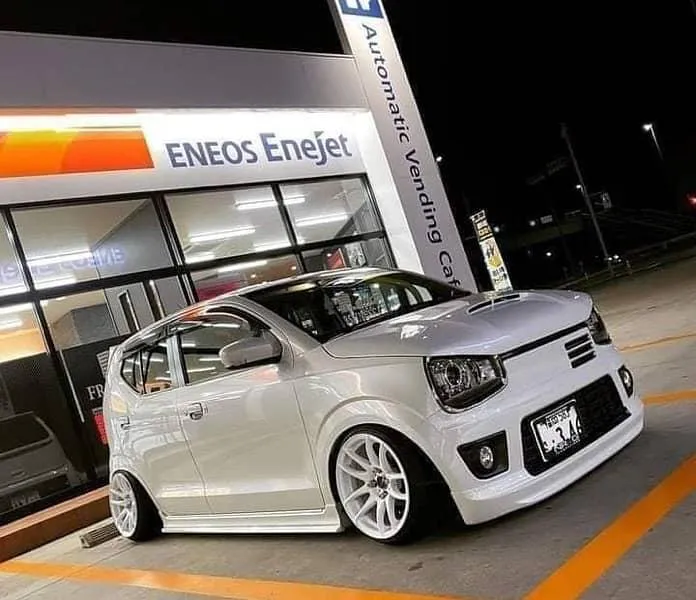
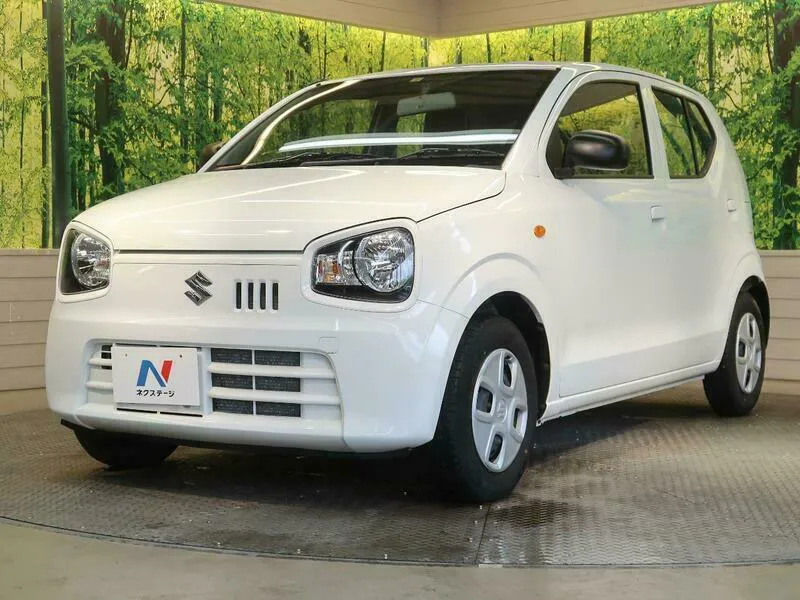
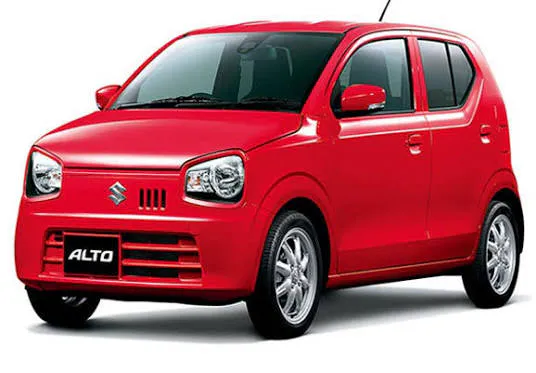
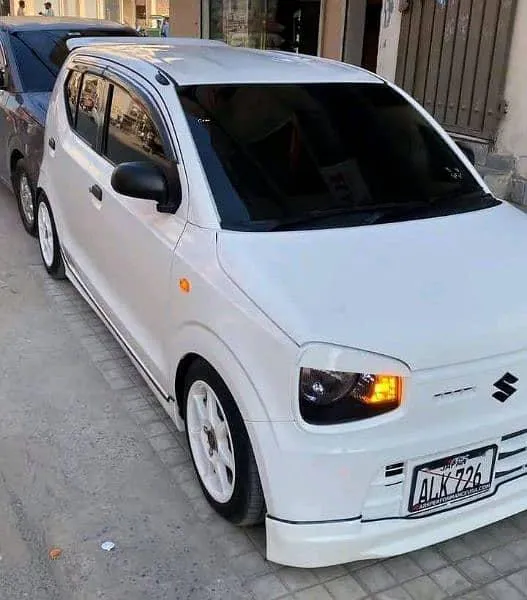
Walk around Nairobi today and you will increasingly see small Japanese hatchbacks being used as proper personal cars. Among the cars attracting attention is the Suzuki Alto, a tiny hatchback with a 660cc engine that was originally designed around the Japanese kei-car philosophy of being compact, economical and easy to live with.
And Kenyans are beginning to ask a very practical question:
Why spend more money every week moving a large car when most of your driving is simply home, work, school, shopping and back home?
That is probably the biggest reason the Suzuki Alto is gaining popularity.
Why are Kenyans suddenly buying Suzuki Altos?
The conversation around the Alto has changed considerably.
Instead of being viewed purely as a cheap taxi or a car for someone who cannot afford a bigger vehicle, some owners are now deliberately choosing it as their daily personal car.
The comments around the recent social-media discussion reflect that shift. Some owners talk about using their Altos for years without feeling the need to upgrade, while others describe them as convenient cars for commuting and small errands.
Another recurring argument is simple economics.
One commenter said their previous larger car could consume KSh 800 to KSh 1,000 per day, while their Alto reportedly uses around KSh 300 or less for the same commute.
Someone else described the Alto as ideal for running personal errands within the city.
That is the appeal.
You are not buying the Alto because it is the fastest, largest or most luxurious car in the parking lot. You are buying it because it can do the job without demanding too much money from you every time you start the engine.
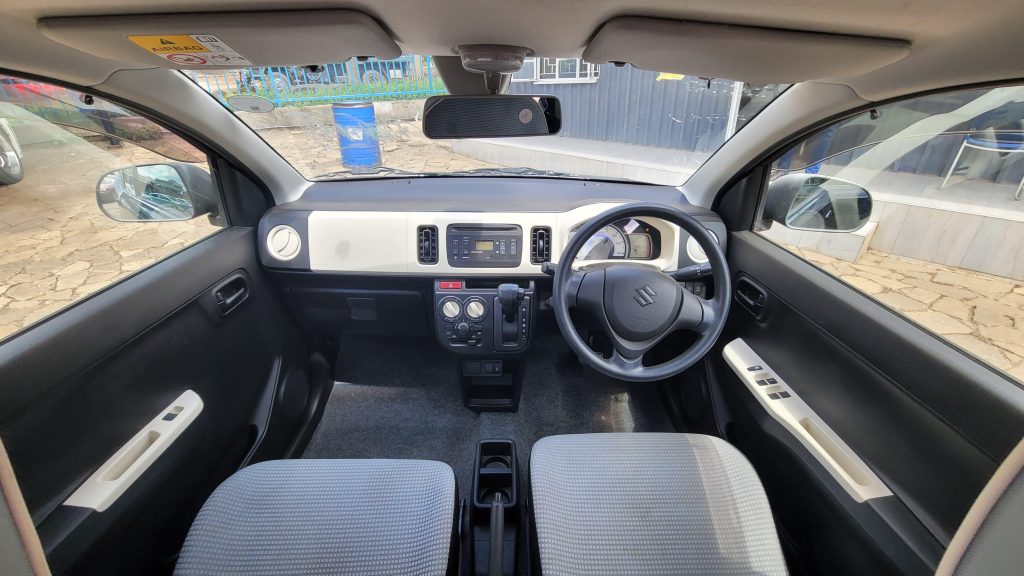
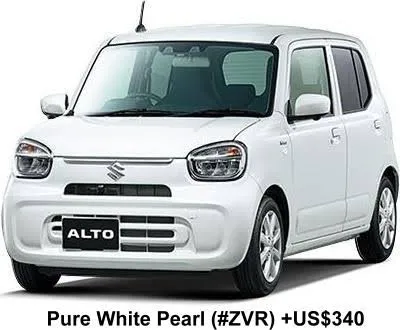
How much does a Suzuki Alto cost in Kenya?
This is where buyers need to be careful.
There is no single “Suzuki Alto price in Kenya” because the price varies enormously depending on the year, mileage, grade, specification, whether it is locally used or foreign used, and whether you are buying an already landed vehicle or importing one yourself.
Current Kenyan listings give a useful picture.
For example, several 2020 Suzuki Altos are currently advertised around KSh 800,000 to KSh 900,000, although some higher-mileage or different-condition examples can be outside that range.
A 2020 Alto with only 13,000 km has previously been listed at about KSh 800,000, showing how much mileage and condition can affect the price.
Fresh-import calculations can also look very different from showroom prices. One 2020 660cc Alto with 55,000 km was estimated at approximately KSh 848,000 delivered to Nairobi, including estimated import duty, port clearance and transport.
If you are talking about a genuinely brand-new Alto, the numbers move considerably higher. Uber Kenya currently lists a financing programme for a brand-new Alto 800 with a maximum loan amount of KSh 854,800, a monthly payment of KSh 29,215 over 36 months, and a three-year/100,000 km warranty. That is a specific financing arrangement rather than a universal cash retail price, but it gives an indication of the cost of a new Alto in the Kenyan market.
So, as a buyer, don’t be tempted by a suspiciously cheap “new Alto” advert without asking:
New from where?
Is it brand new?
Is it a fresh Japanese import?
Is it already registered?
Is duty fully paid?
What is the exact model and chassis?
What is the mileage?
What is the auction grade?
What mileage should you look for?
This is one area where I would not compromise too much.
Because the Alto is inexpensive to run, it can be tempting to buy the cheapest one you find and tell yourself that the fuel savings will make up for everything else.
That can be a mistake.
For a foreign-used Alto, I would personally start looking around the 30,000 to 80,000 km range, provided the mileage is properly verified.
A 90,000 km or 100,000 km Alto is not automatically a bad car. A well-maintained 100,000 km car can be better than a suspiciously cheap 40,000 km car.
The important thing is to verify the mileage against:
- Japanese auction records
- Chassis number
- Export documents
- Service history
- Auction sheet
- Interior wear
- Steering wheel and pedal condition
- Seat condition
- Engine condition
There are currently Kenyan listings showing 2020 Altos with approximately 72,000 km, 73,000 km and 81,000 km being offered around the KSh 820,000 level.
So don’t obsess over finding a magical 20,000 km Alto.
Buy the condition, not just the number on the odometer.
What should you NOT compromise on?
If you are buying an Alto, save money on cosmetics before you save money on mechanical condition.
1. Don’t compromise on the engine
Have the engine inspected properly.
Look for:
- Excessive smoke
- Strange engine noises
- Oil leaks
- Poor idling
- Difficult starting
- Overheating
- Excessive vibration
- Warning lights
The 660cc engine is small, but that does not mean you should accept an unhealthy engine simply because replacement parts may be cheaper.
2. Don’t compromise on the gearbox
This is especially important if you are buying an automatic.
Test the car from cold.
Check for:
- Delayed engagement
- Jerking
- Slipping
- Unusual noises
- Transmission warning lights
- Poor acceleration
A cheap car with a gearbox problem can quickly become an expensive car.
3. Don’t compromise on accident history
Check the chassis.
A small car that has been badly crashed and poorly repaired can look beautiful after a fresh paint job.
Get an independent inspection.
4. Don’t compromise on tyres and brakes
Four cheap tyres are not a bargain if they compromise your ability to stop.
Check tyre age, tread, brake pads, discs and suspension components before driving away.
5. Don’t compromise on safety equipment
Depending on the year and grade, equipment varies, so check the actual car rather than assuming every Alto has the same specification.
Airbags, ABS, seat belts and other safety equipment should be functional.
What CAN you compromise on?
This is where the Alto becomes interesting.
You can compromise on things that don’t affect the fundamental health of the vehicle.
For example:
You can compromise on:
- Colour
- Basic infotainment
- Cosmetic scratches
- Minor interior wear
- Factory wheel covers
- Some convenience features
- Small dents, provided they haven’t affected the structure
You can also buy a fairly basic Alto and improve it yourself.
And that brings us to one of the fun parts.
How do you make a Suzuki Alto look good?
Let’s be honest.
The standard Alto is not going to win a beauty contest against a Range Rover.
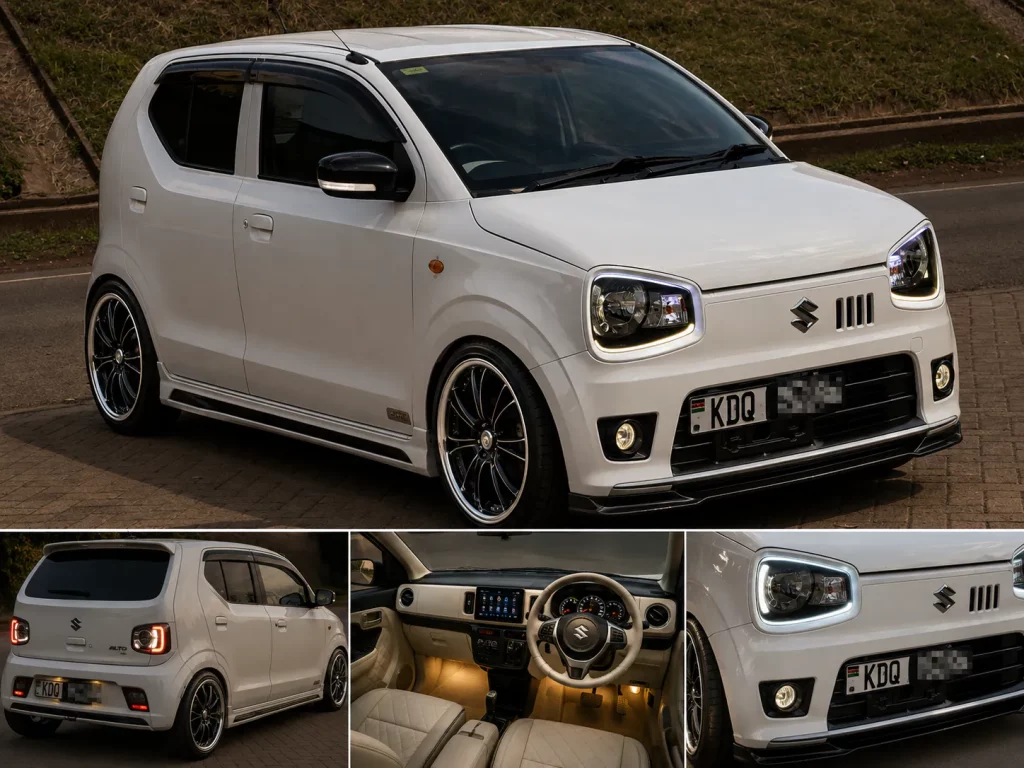
But the little car responds surprisingly well to tasteful modifications.
You don’t need to turn it into a racing car.
Start with the basics.
1. Better wheels
A clean set of lightweight alloy wheels can completely change the appearance.
Don’t go excessively large. Remember that one of the reasons you bought the Alto was comfort, efficiency and low running costs.
2. Good tyres
Good tyres improve both appearance and driving confidence.
3. Window tint
A quality, legally compliant tint gives the car a much more finished appearance while reducing heat inside the cabin.
4. LED lighting
Upgrading suitable bulbs can modernise the appearance, but avoid poorly installed lights that blind other motorists.
5. Small spoiler or lip
A subtle rear spoiler, front lip or side skirt can give the Alto a sportier appearance without making it look overdone.
6. Interior upgrade
You can make a basic Alto feel much more expensive with:
- Quality seat covers
- A modern head unit
- Reverse camera
- Phone holder
- USB charging
- Floor mats
- Better speakers
- Steering-wheel accessories
- Interior detailing
The trick is tasteful modification.
Don’t spend KSh 300,000 trying to make a KSh 800,000 car look like a sports car.
Spend a sensible amount making it clean, comfortable and distinctly yours.
How much fuel does a Suzuki Alto use?
This is the main reason people are talking about the Alto.
The current Japanese-market Alto is officially rated at up to 28.2 km/L under the WLTC test cycle for its mild-hybrid versions. The non-hybrid versions are rated lower, around 25.8 km/L in the same cycle. Suzuki itself warns that real-world consumption varies with traffic, weather, air-conditioning and driving style.
Older 660cc Altos in Kenya should not automatically be expected to deliver 28 or 30 km/L in Nairobi traffic.
A more sensible budgeting figure is around 18 to 24 km/L, depending on the exact model, condition and how you drive it.
Some owners report figures above this under favourable conditions. The comments around the Alto discussion include claims of 20 km/L, 28-30 km/L and even very low weekly fuel spending.
Treat those as owner experiences, not guarantees.
What does that mean in actual money?
As of August 2026, Nairobi’s maximum Super Petrol price is KSh 214.03 per litre for the August 15 to September 14 pricing period.
At 20 km/L:
KSh 214.03 ÷ 20 = about KSh 10.70 per kilometre
At 24 km/L:
KSh 214.03 ÷ 24 = about KSh 8.92 per kilometre
So a 40 km daily commute could theoretically cost roughly:
KSh 357-428 per day
before accounting for traffic, idling, air conditioning, driving style and detours.
Over 22 working days, that is approximately:
KSh 7,850-9,420 per month
for a 40 km round-trip commute.
That is where the Alto starts making financial sense.
A driver coming from a 1.5L or 2.0L vehicle may notice the difference very quickly.
Is the Suzuki Alto good for personal use?
Yes, if you understand what you are buying.
The Alto makes a lot of sense for:
Daily commuting
This is probably its strongest use case.
Home to work.
Work to home.
A quick supermarket stop.
A trip to the gym.
Picking someone up.
Running errands around Nairobi.
You don’t need 2,000cc to do any of that.
School runs
For one or two children and short urban trips, it can work well.
Just remember that space is limited.
A second family car
This may actually be one of the smartest ways to use an Alto.
Imagine having:
A larger SUV for family trips, holidays and rough roads.
And:
An Alto for Monday-to-Friday commuting.
You don’t have to burn SUV-sized amounts of fuel simply to drive yourself to work.
The same idea appears repeatedly in the online discussion, with people describing small cars as weekday commuters while larger vehicles are reserved for longer trips.
Small-business errands
An Alto can also be useful for somebody running a small business.
Delivering documents.
Picking up stock.
Going to suppliers.
Making small deliveries.
Going to meetings.
One commenter specifically described using a small car for deliveries for their own business because the running costs were manageable.
What about Uber, Bolt and taxi work?
This is where things become more complicated.
The Alto’s fuel economy makes it attractive for ride-hailing, and there are already Kenyan drivers using small hatchbacks in the ride-hailing market.
Uber currently lists UberCHAPCHAP as its compact category, with cars up to 1,300cc eligible, and requires vehicles joining ChapChap to be model year 2016 or newer. The vehicle must also meet the required condition and documentation standards.
Uber’s current vehicle-solutions page even lists a financing arrangement specifically for a brand-new Alto 800, showing just how closely the model is associated with the compact ride-hailing market in Kenya.
Bolt’s Kenya requirements currently state that vehicles must meet its age and quality standards, with a minimum manufactured-from-2012 requirement, alongside insurance, inspection and PSV documentation.
But here’s the catch.
A car that makes sense for personal use does not necessarily make sense as a full-time taxi.
A personal Alto might travel 30-50 km a day.
A taxi can travel 150, 200 or even more kilometres in a day.
That is a completely different workload.
More kilometres mean:
- Faster tyre wear
- More frequent servicing
- More suspension wear
- More brake wear
- More gearbox use
- More exposure to potholes
- More depreciation
- More driver abuse if the owner isn’t the driver
The comments around the Alto also show this tension. Some people praise it for taxi work, while others argue that its strengths are better suited to personal urban driving rather than constant long-distance use.
So if you are buying one as a taxi, do the business mathematics first.
Don’t simply say:
“It uses very little fuel, so it must be profitable.”
Fuel is only one part of the equation.
Where the Alto struggles
The Suzuki Alto is not a universal replacement for every car.
There are situations where a bigger car is simply better.
Long-distance travel
You can drive an Alto to Nyeri, Nakuru, Kisumu or Mombasa.
The question is whether you will enjoy doing it regularly.
The car is small and lightweight. With several adults and luggage, the experience is very different from driving a larger 1.5L or 2.0L vehicle.
Bad roads
This is one of the biggest considerations for Kenyan buyers.
If your daily route involves serious potholes, rough marram roads or heavily broken roads, suspension condition becomes extremely important.
One Kenyan automotive analysis specifically flags suspension components as an area to watch when small Altos are subjected to heavy commercial use on rough roads.
Large families
Four adults can fit.
That does not mean four large adults will be comfortable on a six-hour trip.
The rear seats and boot are limited.
Driving style
If you enjoy overtaking everything on the highway, carrying heavy loads or driving aggressively, the Alto may frustrate you.
It is an economical city car.
It is not a replacement for a performance car.
The real question: Alto or bigger car?
Maybe the question isn’t:
“Is the Suzuki Alto a good car?”
The better question is:
“What am I actually using my car for?”
If your daily routine is:
Home → work → supermarket → home
then a 660cc Alto can make a lot of sense.
If your routine is:
Nairobi → Nakuru → Eldoret → rural roads → family of five → luggage
then you probably need something bigger.
And if you already own a large car, an Alto could make even more sense as a second vehicle.
You use the big car when you need the space.
You use the Alto when you need to move cheaply.
That is not necessarily downgrading.
It is simply matching the vehicle to the job.
So, should you buy a Suzuki Alto in Kenya?
Buy one if:
- Most of your driving is within town.
- Fuel economy is a major priority.
- You mostly drive alone or with one or two passengers.
- You want a relatively inexpensive first car.
- You need a second car for commuting.
- You are comfortable with a small cabin.
- You understand its limitations.
- You buy a properly inspected example.
Think twice if:
- You regularly travel long distances.
- You frequently drive on rough roads.
- You have a large family.
- You regularly carry heavy loads.
- You want lots of power.
- You expect SUV-like comfort.
- You are buying purely because it is cheap.
And most importantly, don’t buy the cheapest Alto you can find.
Buy the cleanest one your budget allows.
A KSh 700,000 Alto with questionable mileage, gearbox problems and a history of accidents is not necessarily cheaper than a clean KSh 850,000 example.
The extra KSh 150,000 may be the best money you spend.
The Alto is part of a bigger change in how Kenyans view cars
Perhaps the most interesting thing about the Alto conversation isn’t actually the Alto.
It is the changing Kenyan attitude towards car ownership.
There is a growing realisation that a car does not have to be a status symbol.
It can simply be a tool.
A tool for getting to work.
Taking children to school.
Running a business.
Going shopping.
Getting home without waiting for a matatu.
And if a small 660cc car can perform those jobs while using substantially less fuel than a larger vehicle, some motorists are beginning to ask why they should spend more just to have a bigger badge.
One commenter summed up that shift by arguing that people are moving away from seeing cars primarily as status symbols and towards seeing them as practical utility.
That may be the real reason the Suzuki Alto is suddenly everywhere.
Not because Kenyans have stopped liking big cars.
But because more people are beginning to realise that for Monday morning traffic, a small car can sometimes be all the car they actually need.
Final verdict
The Suzuki Alto isn’t perfect.
It is small.
It isn’t particularly powerful.
It isn’t the car you buy when you want to impress everyone at the car park.
But for the right driver, that is precisely the point.
It is cheap to run, easy to park, economical in city traffic and relatively simple to live with.
And in a Kenya where every trip to the petrol station hurts a little more, those qualities are becoming harder to ignore.
If you’re considering buying one, don’t ask, “How cheap can I get an Alto?”
Ask:
“What is the cleanest Alto I can get for my budget?”
That is where the real saving begins.
Leave a Reply