
Importing goods into Kenya has never been simple, but 2026 is shaping up to be a particularly challenging year for traders, car importers, and businesses that rely on international supply chains.
In just the past few months, several developments have begun reshaping the import landscape. Rising global fuel prices, stricter vehicle import regulations, shifting East African Community tariffs, and tighter customs enforcement are all creating new pressures on businesses.
For some importers the changes mean higher costs and reduced profit margins. For others they may open opportunities, especially for companies that understand the new regulations early and adjust their strategies accordingly.
This article breaks down the most important developments affecting importers in Kenya today, explains what they mean for businesses, and offers practical insights on how traders can adapt.
Rising Fuel Prices Are Increasing Import Costs
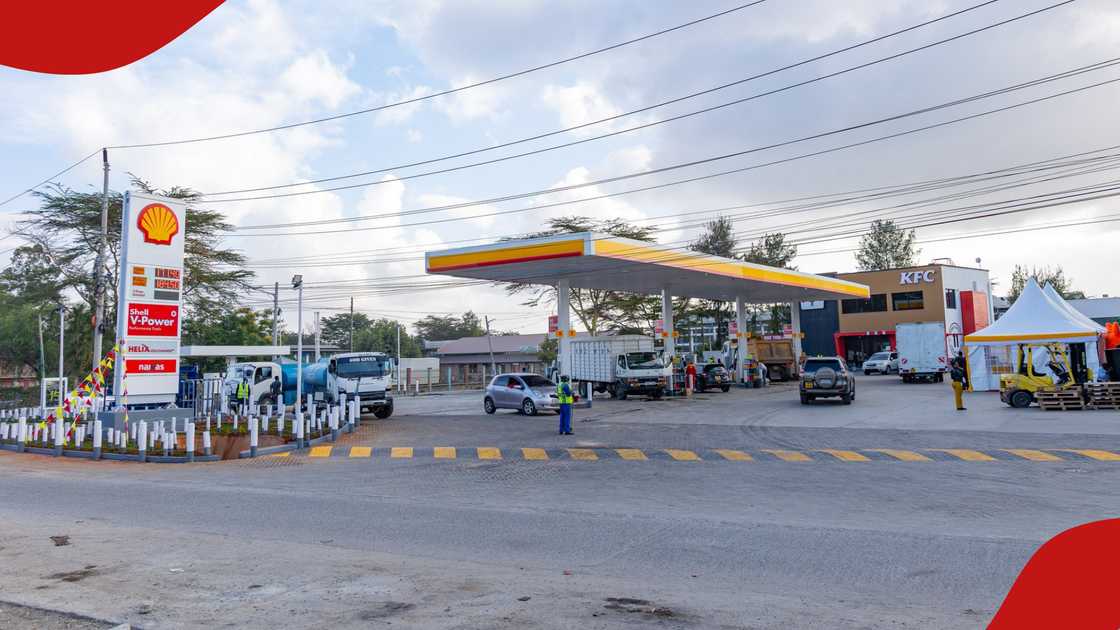
One of the biggest developments affecting importers right now is the sharp increase in fuel prices.
Kenya recently raised retail fuel prices following global supply disruptions linked to tensions in the Middle East. When global crude oil prices increase, the impact quickly spreads through the entire logistics chain.
Shipping companies adjust their freight rates. Clearing and forwarding agents revise their transport charges. Inland trucking costs increase as diesel prices climb.
For importers, the effects show up immediately in the total landed cost of goods.
Transporting a container from the port to inland destinations like Nairobi, Eldoret, or Kisumu becomes more expensive. Freight companies pass on the cost increases to customers, and importers often have no option but to absorb part of the expense.
A trader importing electronics from Asia or furniture from Turkey may suddenly find that each shipment costs thousands of shillings more than it did just a few months ago.
The challenge is not only the increase itself but the uncertainty. Fuel prices fluctuate frequently, which makes it difficult for businesses to predict their future logistics costs.
Many importers are now adjusting their strategies by consolidating shipments, ordering larger quantities less frequently, or negotiating long-term transport contracts to reduce volatility.
Others are exploring alternative suppliers closer to East Africa in order to shorten shipping distances and reduce fuel-related expenses.
New Car Import Rules Are Tightening the Market
Kenya’s vehicle import regulations have always been strict compared to many other markets, but the rules continue to tighten.
The country enforces what is commonly known as the “eight-year rule.” This means that imported vehicles must not be more than eight years old from the year of first registration.
For 2026, this effectively means only vehicles manufactured in 2019 or later are allowed to be imported into the country.
For car importers this change has significant consequences.
Older vehicles are generally cheaper to purchase overseas, particularly from markets such as Japan, the United Kingdom, and the United Arab Emirates. When the allowable age decreases each year, many affordable options disappear from the market.
As a result, the average cost of importing a car into Kenya continues to rise.
Importers must also comply with strict inspection requirements before shipping. Vehicles must undergo pre-export verification of conformity inspections to ensure they meet safety and environmental standards.
If a vehicle fails inspection or does not meet the required specifications, it may be rejected at the port of entry. In some cases the importer may even be forced to re-export the vehicle or pay significant penalties.
For individuals importing vehicles for personal use, these regulations can be confusing and expensive if not handled properly. For professional importers, however, the rules simply become another factor that must be carefully managed during the purchasing process.
Businesses that work with reliable inspection partners and experienced clearing agents tend to avoid costly mistakes.
Proposed Tax Increases Could Make Imports Even More Expensive
Another major concern among traders is the possibility of increased import taxes.
There have been discussions around raising vehicle import duty from 25 percent to 35 percent. If implemented, this would significantly increase the total cost of bringing vehicles into the country.
Excise duty adjustments have also been proposed for certain categories of vehicles, particularly larger engine vehicles and luxury models.
These changes are part of broader government efforts to increase revenue and manage the country’s trade balance. While policymakers may view the adjustments as necessary, many traders argue that higher taxes could discourage business and increase the cost of living.
When taxes increase, the final cost is rarely absorbed entirely by importers. Instead it is usually passed along the supply chain until it reaches consumers.
A small business importing electronics, spare parts, or household goods may have to raise prices to remain profitable. Retailers then pass those increases to customers, which contributes to inflation in the local market.
For car importers, the effect is even more visible. Even a small change in duty rates can add hundreds of thousands of shillings to the price of a vehicle.
Changes in East African Community Tariffs
Kenya is part of the East African Community, which operates a common external tariff system. This system determines the duty rates applied to goods imported from outside the region.
In recent revisions, the tariff structure has been adjusted so that goods fall within a range of zero percent to thirty-five percent depending on their classification.
Some products now face higher duties, while others benefit from reduced rates.
For example, certain electronics, toys, and finished consumer goods have seen duty increases in an effort to encourage local manufacturing.
At the same time, some components and raw materials used in industrial production may benefit from lower tariffs.
For importers, these changes make accurate product classification more important than ever.
Every imported item must be assigned a Harmonized System code, commonly referred to as an HS code. This code determines the applicable duty rate and other regulatory requirements.
If goods are incorrectly classified, importers may end up paying significantly higher taxes or face penalties from customs authorities.
Experienced clearing agents play a critical role here because they understand how to correctly classify products and ensure compliance with customs regulations.
A mistake in classification might not seem serious initially, but it can result in delays, unexpected charges, or even seizure of goods.
Increasing Customs Compliance Requirements
Kenya Revenue Authority has been tightening customs procedures in recent years in order to improve tax collection and reduce fraud.
Importers are required to follow a structured documentation process before goods arrive in the country.
One of the key requirements is the Import Declaration Fee, commonly known as IDF. This fee is generally around two percent of the cost, insurance, and freight value of the imported goods.
Importers must also ensure that their goods comply with standards verified by inspection bodies before shipment.
Failure to complete the required documentation can cause serious delays at the port.
Containers may remain at the port for days or weeks while missing paperwork is processed. During this time storage and demurrage charges continue to accumulate.
For businesses operating on tight margins, such delays can erase profits from an entire shipment.
Because of this, many companies now rely heavily on experienced logistics partners to handle documentation and compliance.
The Overall Impact on Import Businesses
Taken together, these developments are creating a more complex environment for importers in Kenya.
Costs are rising in several areas at once. Fuel prices increase transportation costs. Taxes and duties add to the landed cost of goods. Compliance requirements require additional documentation and professional services.
Profit margins are becoming thinner, particularly for businesses that rely on high-volume imports of low-margin products.
However, the situation is not entirely negative.
Periods of regulatory change often create opportunities for businesses that adapt quickly.
Companies that invest in better logistics planning, stronger supplier relationships, and accurate compliance processes may actually gain a competitive advantage.
For example, a business that understands tariff classifications thoroughly may be able to import goods at lower duty rates than competitors who make classification errors.
Similarly, companies that optimize shipping schedules and consolidate shipments may offset some of the rising freight costs.
Strategies Importers Can Use to Stay Profitable
Despite the challenges, there are several strategies that businesses can use to remain competitive in the current environment.
One approach is improving cost forecasting. Importers need to carefully calculate the full landed cost of goods before placing orders. This includes freight charges, insurance, customs duty, VAT, and inland transport.
Another strategy involves building stronger relationships with suppliers and logistics providers.
Reliable partners can help identify potential problems early and ensure that shipments meet regulatory requirements before they leave the exporting country.
Some businesses are also exploring diversification of supply chains. Instead of relying on a single supplier or region, they work with multiple partners across different countries.
This approach can reduce risk and provide greater flexibility if shipping routes or costs change.
Technology is also playing a growing role. Many companies now use digital platforms to track shipments, manage documentation, and monitor logistics costs in real time.
Such systems provide greater visibility across the entire import process.
Opportunities Emerging in the Import Sector
Even though importers are facing more challenges, certain sectors continue to grow.
Demand for electronics, construction materials, and automotive spare parts remains strong across Kenya.
The country’s expanding middle class and ongoing infrastructure development projects continue to drive demand for imported goods.
Businesses that focus on efficiency, compliance, and market research are still finding ways to succeed.
Car importers who specialize in newer fuel-efficient vehicles may benefit from increasing demand as consumers look for reliable and modern transportation options.
Similarly, companies importing renewable energy equipment, such as solar panels and batteries, are seeing growing opportunities as Kenya invests in sustainable energy solutions.
What Importers Should Watch in the Coming Months
The import landscape in Kenya is likely to continue evolving.
Fuel prices remain unpredictable due to global geopolitical tensions. Tax policy may change as the government seeks to increase revenue. Regional trade policies within the East African Community may also continue to shift.
Businesses that stay informed about these developments will be better positioned to adapt.
Monitoring regulatory announcements, maintaining close communication with logistics partners, and reviewing import strategies regularly can help businesses navigate uncertainty.
Importing into Kenya may never be simple, but careful planning and informed decision making can make a significant difference.
Final Thoughts
Importing goods into Kenya in 2026 requires more attention to detail than ever before.
Fuel price increases, stricter vehicle import regulations, shifting tariff structures, and tighter customs compliance requirements are all reshaping the business environment.
For traders and businesses involved in international trade, understanding these changes is critical.
While the challenges are real, they also create opportunities for companies that stay informed, plan carefully, and work with experienced partners.
In a rapidly changing market, knowledge and preparation often make the difference between costly mistakes and long-term success.
Leave a Reply